
Dental anxiety is a common barrier to maintaining oral health, but modern dentistry offers several effective ways to manage it. At Pathways Dental Clinic in NE Calgary, we understand that fear of the dentist can stem from past negative experiences or general apprehension. We provide multiple sedation options to ensure your visit is comfortable and stress-free. This guide outlines the five primary types of sedation available to help you feel at ease during your treatment.
1. Nitrous Oxide (Laughing Gas)
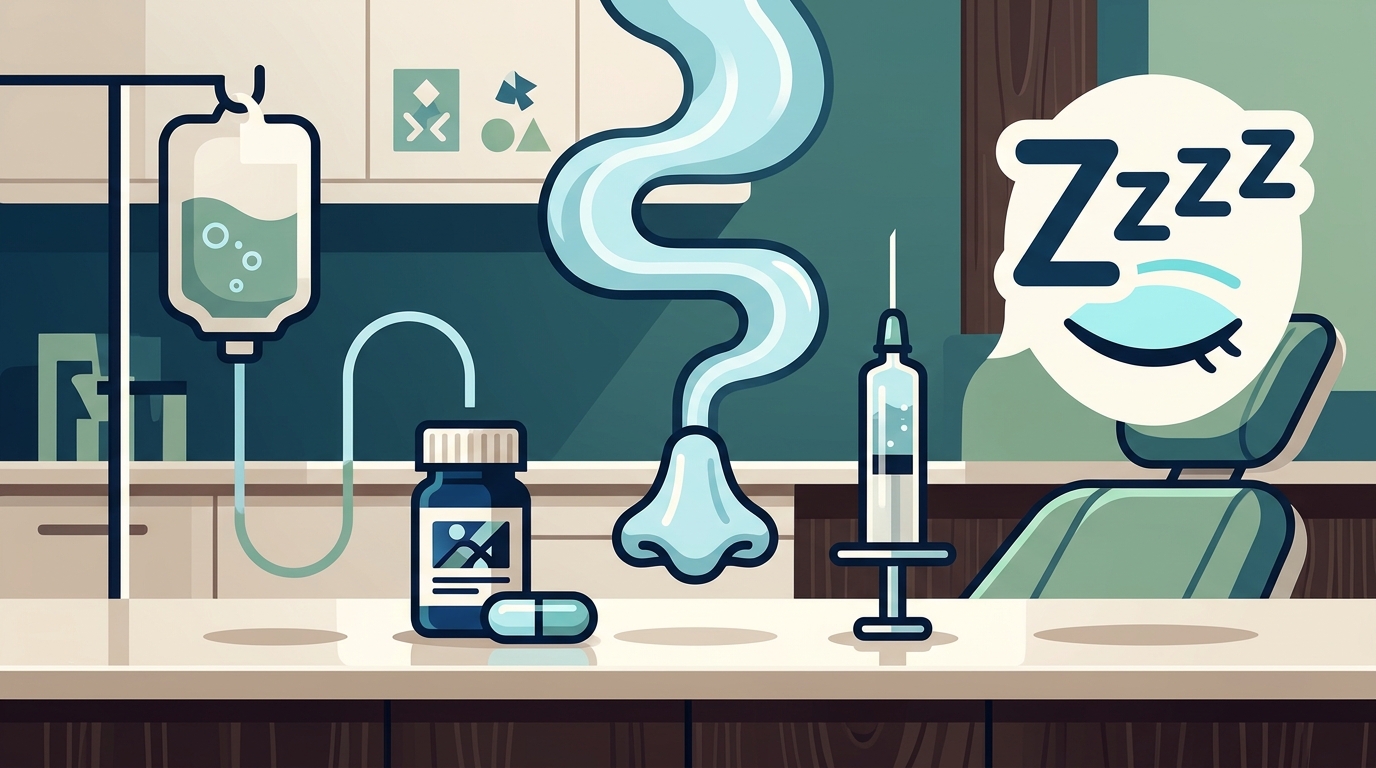
Nitrous oxide is a mild, inhaled sedative that helps you relax while remaining fully conscious. This is often the first line of defense for patients with mild anxiety. You breathe in the gas through a small mask placed over your nose, and the effects begin within minutes. It is considered safe for most adults and children, and the effects wear off quickly once the gas is stopped, allowing you to drive home safely.
2. Oral Conscious Sedation
Oral sedation involves taking a prescription medication, usually a benzodiazepine, before your appointment. This method is ideal for patients who feel significant anxiety but do not require deep sedation. The medication induces a state of deep relaxation where you are still awake and can respond to commands, but you may have little to no memory of the procedure. It is typically taken 30 to 60 minutes before your visit.
3. IV Sedation
IV sedation is a deeper level of sedation delivered directly into your bloodstream through a vein. This method allows for precise control over the level of sedation, making it suitable for longer or more complex procedures. Patients are in a state of deep relaxation and are usually not aware of the treatment. Because the medication is administered intravenously, it takes effect faster than oral sedation and can be adjusted in real-time by the dental team.
4. General Anesthesia
General anesthesia is a state of complete unconsciousness where you are unaware of your surroundings and feel no pain. This is the deepest level of sedation and is typically reserved for extensive oral surgery or patients with severe phobias who cannot tolerate other methods. It is administered by a qualified anesthesiologist or a dentist with specialized training. Recovery takes longer, and you will need someone to drive you home.
5. Local Anesthesia
Local anesthesia is a numbing agent injected directly into the area being treated to block pain signals. While not a sedative in the traditional sense, it is a critical component of almost all dental procedures. It ensures that you feel no pain during the actual work on your tooth or gum. Many patients confuse the anxiety of the injection with the procedure itself, but local anesthesia is the primary tool for pain management.
Choosing the Right Sedation for You
The best sedation option depends on the extent of your dental work and the severity of your anxiety. For routine cleanings or fillings, nitrous oxide or local anesthesia may be sufficient. For more complex cases or severe phobia, IV sedation or general anesthesia might be recommended. At Pathways Dental Clinic, we will discuss your medical history and comfort level to create a personalized plan that prioritizes your safety and peace of mind.
Frequently Asked Questions
Is dental sedation safe?
Yes, when administered by a qualified dental professional, sedation is considered very safe. We monitor your vital signs throughout the procedure to ensure your well-being. The specific risks depend on the type of sedation used, but all methods are widely accepted and regulated in modern dentistry.
Can I drive home after sedation?
It depends on the type of sedation. After nitrous oxide, you can usually drive home because the effects wear off quickly. However, if you receive oral or IV sedation, you will be drowsy and should not drive. You must arrange for a responsible adult to drive you home and stay with you for a few hours after the procedure.
Does sedation dentistry cost more?
Yes, sedation dentistry typically costs more than a standard appointment because it requires additional time, equipment, and monitoring. The exact cost varies based on the type of sedation and the length of the procedure. We provide transparent pricing and discuss all costs with you before treatment begins.
Is sedation available for children?
Yes, sedation is often used for children who are anxious or unable to cooperate during dental treatment. Nitrous oxide is commonly used for younger patients, while deeper sedation may be considered for more complex cases. We prioritize the safety and comfort of our young patients and tailor the approach to their specific needs.
How do I prepare for a sedation appointment?
Preparation depends on the type of sedation. For oral or IV sedation, you may need to fast for several hours before the appointment. You should also arrange for a ride home and bring a list of your current medications. We provide detailed instructions to help you prepare for a smooth and safe experience.
Ready to Overcome Dental Anxiety?
If you are nervous about your next dental visit, our team at Pathways Dental Clinic is here to help. We offer a range of sedation options to ensure your comfort and safety. Request an appointment today to discuss your concerns and find the right solution for you.