

Adapting Dental Care for Patients with Parkinson's Disease
When treating patients with Parkinson's disease, dentists must adapt their approach by prioritizing communication, managing motor symptoms, and ensuring safety during procedures. This involves adjusting appointment lengths, using clear verbal and visual cues, and coordinating with the patient's medical team to optimize medication timing. These adjustments help reduce anxiety and improve treatment outcomes for individuals facing complex medical conditions. For additional details, review the Contact Us in NE.
Understanding the Impact of Parkinson's on Oral Health
Parkinson's disease is a progressive neurological disorder that affects movement, often leading to tremors, rigidity, and bradykinesia. These motor symptoms can significantly impact a patient's ability to maintain oral hygiene. For example, a patient may struggle to hold a toothbrush steadily, making effective brushing difficult. Dentists must recognize that poor oral hygiene in these patients is often a result of physical limitations rather than a lack of motivation.
Challenges in Daily Oral Care
The difficulty in performing fine motor tasks means that standard oral hygiene routines may not be sufficient. Patients might experience increased salivation, known as sialorrhea, which can lead to drooling and potential oral infections. Additionally, the risk of aspiration increases if swallowing becomes impaired. Understanding these specific challenges allows the dental team to tailor their preventive strategies effectively.
Optimizing Appointment Scheduling and Environment
Appointments for patients with Parkinson's require careful planning to accommodate their fluctuating symptoms. It is often beneficial to schedule visits during the patient's 'on' periods, when medication is most effective and movement is smoother. The clinic environment should be calm and free of excessive noise or bright lights, which can trigger anxiety or confusion. At Pathways Dental Clinic, the focus on a relaxed atmosphere supports patients who may feel overwhelmed by a busy medical setting.
Managing Fatigue and Mobility
Patients may experience significant fatigue after procedures, so it is wise to avoid scheduling multiple complex treatments in a single visit. Providing a comfortable chair with good support and ensuring easy access to restrooms can reduce stress. The dental team should allow extra time for the patient to settle in and for the procedure itself, as movements may be slower than usual.
Communication Strategies for Effective Treatment
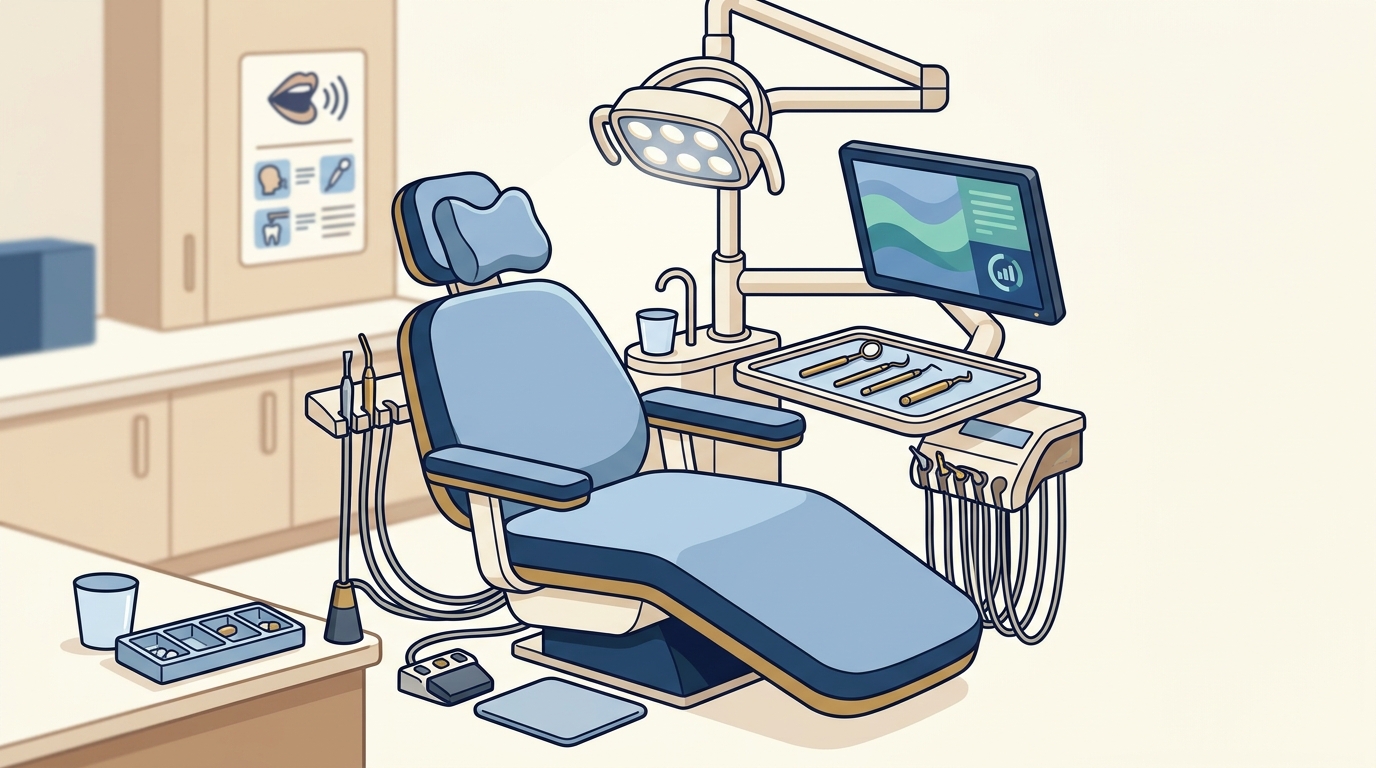
Clear and concise communication is essential when treating patients with Parkinson's. Speech may become soft or slurred, so dentists should speak slowly and use simple sentences. Visual aids, such as intraoral cameras or diagrams, can help patients understand their treatment plan without relying solely on verbal explanations. It is important to check for understanding frequently, as patients may nod along without fully comprehending the instructions.
Building Trust and Reducing Anxiety
Anxiety can worsen motor symptoms, so building a trusting relationship is crucial. The dental team should introduce themselves and explain each step of the procedure before performing it. Allowing the patient to ask questions and providing reassurance can help them feel more in control. This approach not only improves the immediate experience but also encourages patients to return for regular checkups.
Safety Protocols and Medication Coordination
Safety is a top priority when treating patients with Parkinson's. Dentists must be aware of the patient's medication schedule, as certain drugs can interact with local anesthetics or affect blood pressure. Coordinating with the patient's neurologist can provide valuable insights into their current condition and any recent changes in their regimen. This collaboration ensures that the dental treatment plan is safe and effective.
Preventing Complications
Patients with Parkinson's may have a reduced gag reflex or difficulty swallowing, which requires careful management during procedures. Using a high-volume suction and keeping the patient in a slightly reclined position can help prevent aspiration. The dental team should also be prepared to manage any sudden changes in the patient's condition, such as a 'off' period where movement becomes difficult. Having a clear emergency plan in place is essential for ensuring patient safety.
Long-Term Care and Preventive Strategies
Long-term dental care for patients with Parkinson's requires a proactive approach to preventing complications. Regular checkups are vital for monitoring oral health and addressing issues before they become severe. Dentists can recommend adaptive oral hygiene tools, such as electric toothbrushes with larger handles, to make daily care easier. These tools can help patients maintain better oral hygiene despite their motor limitations.
Supporting Caregivers
Caregivers play a crucial role in the daily oral care of patients with Parkinson's. Dentists should provide education and resources to caregivers, helping them understand how to assist with brushing and flossing. This support can make a significant difference in the patient's long-term oral health. By involving caregivers in the treatment plan, dentists can ensure that the patient receives consistent care at home.
Key Takeaways
- Parkinson's disease affects motor skills, making standard oral hygiene routines challenging for patients.
- Scheduling appointments during 'on' medication periods can improve the treatment experience.
- Clear, concise communication and visual aids help patients understand their treatment plan.
- Coordinating with the patient's medical team ensures safe and effective dental care.
- Adaptive oral hygiene tools can help patients maintain better oral health at home.
- Supporting caregivers is essential for consistent long-term care.
Frequently Asked Questions
How does Parkinson's disease affect dental treatment?
Parkinson's disease can make it difficult for patients to perform fine motor tasks, such as brushing their teeth. It may also affect speech and swallowing, requiring dentists to adjust their communication and safety protocols.
What is the best time to schedule a dental appointment for a patient with Parkinson's?
The best time is usually during the patient's 'on' period, when their medication is most effective and their movement is smoother. This can make the appointment more comfortable and efficient.
How can dentists communicate effectively with patients who have speech difficulties?
Dentists should speak slowly, use simple sentences, and incorporate visual aids like intraoral cameras. Checking for understanding frequently is also important.
Why is it important to coordinate with a patient's neurologist?
Coordinating with a neurologist helps the dentist understand the patient's current condition and medication regimen. This ensures that the dental treatment plan is safe and does not interfere with their medical care.
What adaptive tools can help patients with Parkinson's maintain oral hygiene?
Electric toothbrushes with larger handles and flossers with extended handles can make it easier for patients to clean their teeth. These tools are designed to accommodate reduced motor control.
How can caregivers support a patient's oral health?
Caregivers can assist with brushing and flossing, especially if the patient has difficulty performing these tasks. They should also monitor for signs of oral problems and encourage regular dental checkups.
Conclusion
Treating patients with Parkinson's disease requires a thoughtful and adaptive approach from dental professionals. By understanding the unique challenges these patients face, dentists can provide safe and effective care. Pathways Dental Clinic is committed to offering personalized care for patients with complex medical conditions. If you or a loved one has Parkinson's, consider scheduling a consultation to discuss your specific needs and develop a tailored treatment plan.