
Verifying Dental Insurance Before Switching Clinics in Calgary
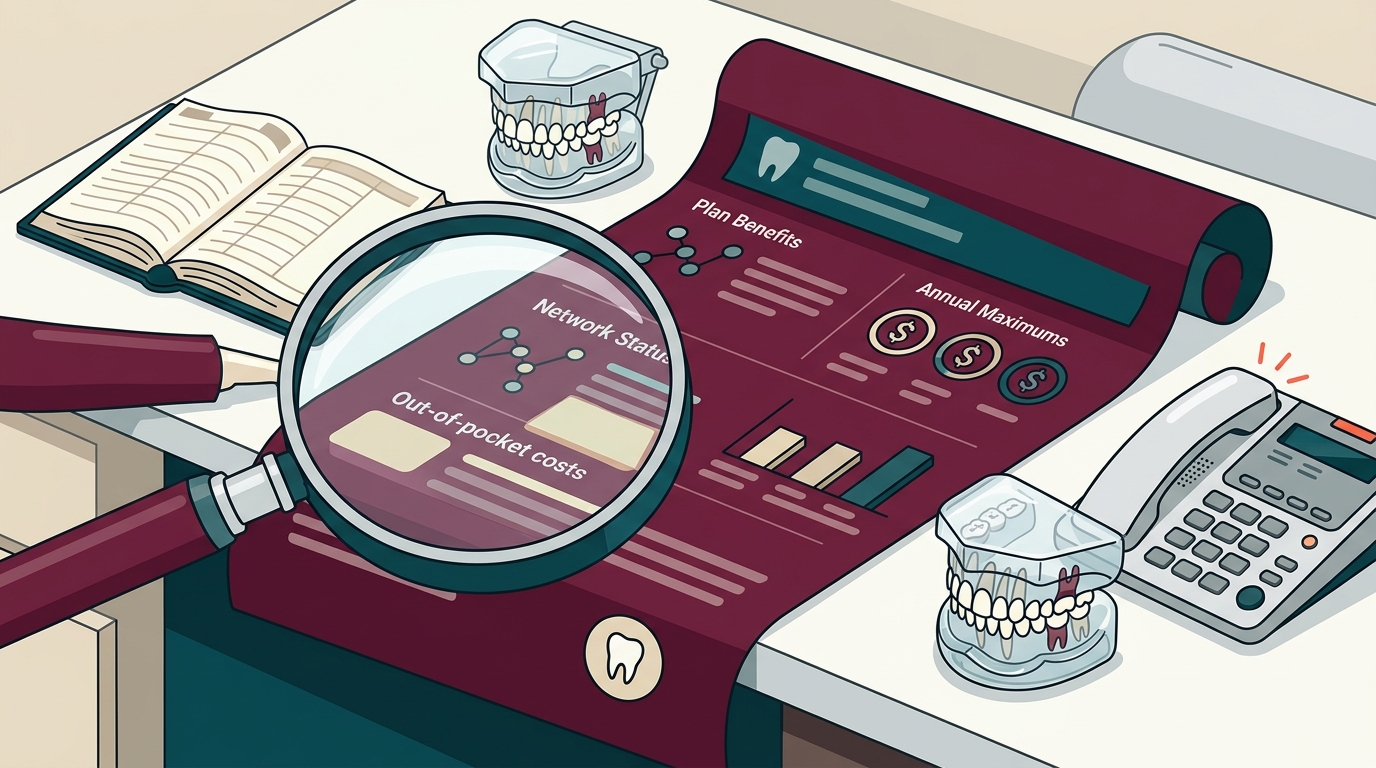
Before switching to a new dental clinic, you must verify your plan's specific benefits, network status, and annual maximums to avoid unexpected out-of-pocket costs. Pathways Dental Clinic in NE Calgary helps patients navigate these details clearly, ensuring you understand exactly what your insurance covers before your first visit. This process prevents billing surprises and confirms that your new provider aligns with your financial expectations. according to Dental services
Understanding Your Plan's Core Benefits
Dental insurance is a contract between you and your provider that dictates how much of your treatment costs are covered. Many patients assume their plan covers everything, but most policies have specific limitations on frequency and type of care. You need to identify your annual maximum, which is the total dollar amount your insurer will pay in a year. Once you hit this limit, you are responsible for 100% of the remaining costs.
Confirming In-Network Provider Status
Network status is the most common source of confusion for patients switching clinics. An in-network provider is a clinic that has a direct contract with your insurance company to provide services at pre-negotiated rates. If you visit an out-of-network clinic, your insurer may pay a lower amount, leaving you to cover the difference. This is known as balance billing.
Pathways Dental Clinic operates as a general and family dental practice in NE Calgary. While we strive to accommodate various insurance plans, you must verify if we are considered in-network for your specific policy. Some plans have tiered networks, where certain clinics are preferred and others are standard. Checking this status ensures that the fees charged by our office align with what your insurer expects to pay. If we are out-of-network, you should ask for a detailed estimate of your out-of-pocket costs before proceeding with treatment. according to Dental services
Checking Waiting Periods and Pre-Existing Conditions
Many dental plans include waiting periods for major restorative work. A waiting period is a mandatory time frame after enrolling in a new plan during which certain services are not covered. For instance, a plan might cover preventive care immediately but impose a six-month waiting period for crowns or bridges. If you are switching clinics but keeping the same insurance, these waiting periods usually do not reset. However, if you are changing insurance providers entirely, you may face new waiting periods for major procedures.
Pre-existing conditions can also affect coverage. If you have a known dental issue, such as a cracked tooth or gum disease, before switching plans, your new insurer may classify it as pre-existing. This classification can limit coverage for that specific condition for a set period, often one to two years. Verifying these details prevents the frustration of discovering that a necessary treatment is excluded due to timing or condition history.
Reviewing Claim Submission and Reimbursement Models
There are two primary ways dental insurance works: direct billing and reimbursement. In a direct billing model, the clinic submits the claim to your insurer on your behalf, and you only pay your portion at the office. In a reimbursement model, you pay the full cost upfront, and the clinic or you submits the claim to the insurer for later payment. Pathways Dental Clinic supports direct billing for most major plans, which simplifies the process for patients.
You should confirm which model applies to your plan. If your plan uses reimbursement, you need to know the timeline for receiving funds back. Some insurers take weeks to process claims, which can impact your cash flow. Additionally, ask if the clinic requires pre-authorization for major treatments. Pre-authorization is a process where the insurer approves the treatment plan before work begins, ensuring they will cover the estimated costs. This step is crucial for expensive procedures like implants or orthodontics. according to Reimbursement Basics Medical
Key Takeaways
- Verify your annual maximum and deductible to understand your total financial responsibility for the year.
- Confirm if Pathways Dental Clinic is an in-network provider for your specific insurance plan to avoid balance billing.
- Check for waiting periods on major restorative services, especially if you are switching insurance providers.
- Ask about pre-authorization requirements for major treatments to ensure coverage before starting work.
- Review coverage for pre-existing conditions to avoid unexpected exclusions for known dental issues.
Frequently Asked Questions
Does switching dental clinics reset my insurance deductible?
No, switching clinics does not reset your deductible. Your deductible is tied to your insurance policy and calendar year, not the specific provider you visit. If you have already met part of your deductible at your old clinic, that progress carries over to your new clinic.
What happens if my new clinic is out-of-network?
If your new clinic is out-of-network, your insurer may pay a lower rate than the clinic charges. You are responsible for the difference between the insurer's payment and the clinic's fee. Always request an estimate of out-of-pocket costs in this scenario.
How do I check if Pathways Dental Clinic is in-network?
You can check your insurance provider's website or call their member services line to verify network status. Alternatively, contact Pathways Dental Clinic directly, and our team can help you confirm your coverage details with your insurer.
Are emergency treatments covered immediately?
Most dental plans cover emergency treatments immediately, even if you have not met your deductible. However, coverage levels may vary, so it is best to verify your specific plan's emergency benefits before seeking care.
Do I need pre-authorization for a root canal?
Many insurance plans require pre-authorization for major restorative treatments like root canals. This ensures the insurer approves the procedure and estimated cost before treatment begins. Check with your insurer or the clinic to confirm this requirement. according to Dental Coverage in