
Transferring dental records is a critical step when switching providers, yet many patients overlook the administrative complexity involved. According to the Canadian Dental Association, maintaining accurate and accessible patient history is essential for continuity of care, especially when new treatments require a baseline of previous work. This guide explains exactly how to move your files to a new clinic, ensuring your new dentist has the full picture of your oral health history.
Why Transferring Records Matters
When you move to a new dental provider, they cannot effectively diagnose or treat you without your previous history. Dental records contain radiographs (X-rays), periodontal charts, and notes on past procedures. Without these, a new dentist must essentially start from scratch, which can lead to redundant testing and higher costs.
At Pathways Dental Clinic, we understand that continuity of care is vital. Whether you are moving to NE Calgary or anywhere else in the city, having your records ready allows us to assess your current oral health accurately. This is particularly important for patients with complex histories, such as those undergoing dental implant planning or cosmetic dentistry treatments.
What Records Are Included
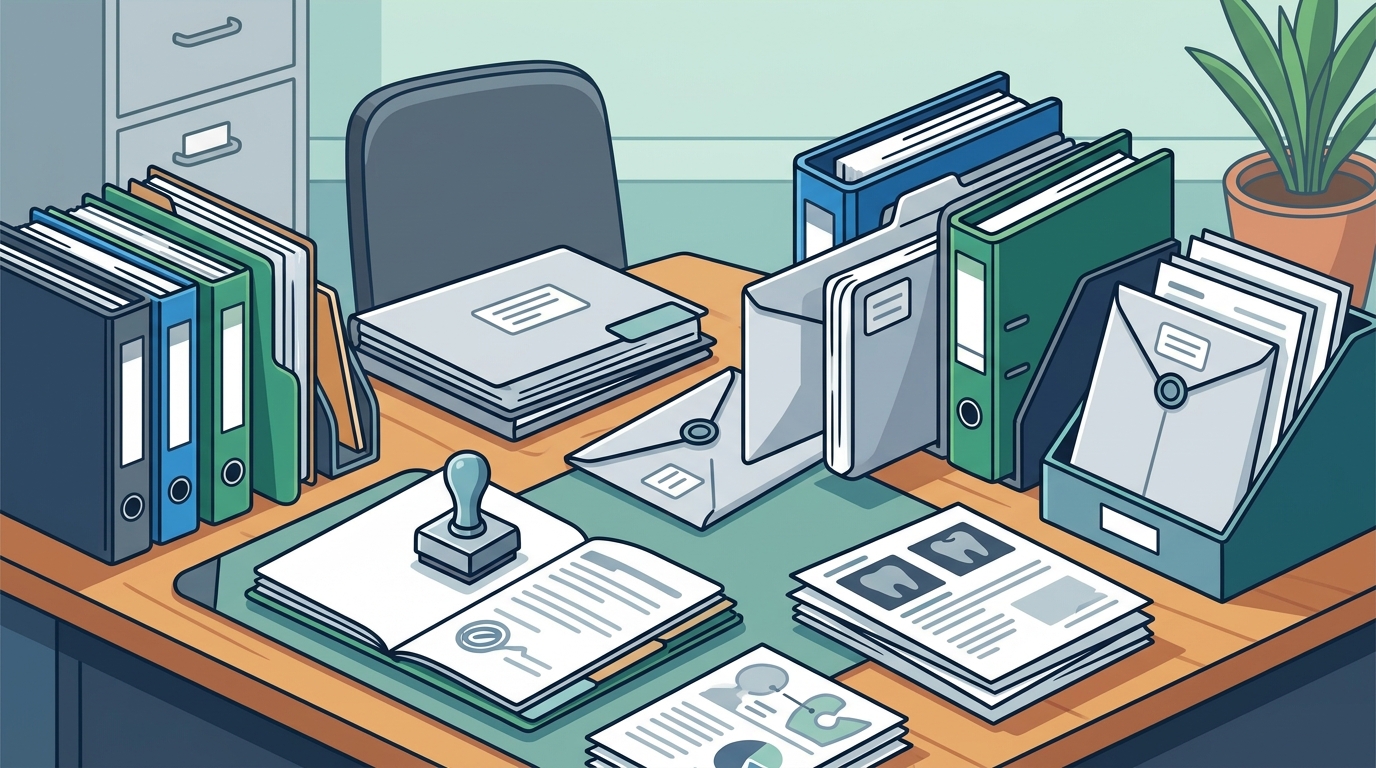
Dental records are not just a single document. They are a comprehensive file that includes several key components. Understanding what is included helps you request the correct information from your previous provider.
Medical and Dental History is the foundational document that outlines your general health, medications, and past dental experiences. This is crucial for identifying contraindications for new treatments.
Radiographs and Imaging include bitewing X-rays, panoramic images, and cone-beam CT scans. These images show the bone structure, tooth roots, and any hidden decay. Recent X-rays are often accepted by new providers, but older images provide a baseline for comparison.
Treatment Plans and Notes detail the procedures performed, the materials used, and the dentist's observations. This helps the new provider understand why certain treatments were chosen and how your mouth has responded over time.
The Transfer Process Step-by-Step
Transferring records typically involves coordination between your old and new dental offices. Here is the standard workflow for Calgary residents.
Step 1: Contact Your Previous Provider
Start by contacting the dental office you are leaving. Most clinics have a specific protocol for record releases. You will likely need to sign a consent form authorizing the release of your personal health information. This is a standard privacy requirement under Alberta health regulations.
Step 2: Submit a Formal Request
Some clinics require a written request or a specific form. Be clear about what you need. Do you need all records, or just recent X-rays? If you are seeking general dentistry care, recent X-rays may suffice. For complex cases, full records are necessary.
Step 3: Verify the New Clinic's Requirements
Before your records are sent, confirm with your new provider what they accept. Many modern clinics, including Pathways Dental Clinic, can receive digital records directly. This is faster and more secure than physical mail. Ask your new dentist if they have a secure portal for incoming files.
Step 4: Follow Up
Record transfers can take time. It is common for previous offices to be slow to respond. Follow up politely after a week to ensure the request is being processed. If you are in a hurry, you can pick up the records yourself and bring them to your new appointment.
Insurance and Cost Considerations
One of the most common questions patients have is whether insurance covers the cost of transferring records. The answer is generally no. Record transfer fees are considered administrative costs, not medical services. However, the cost is usually minimal.
Many Calgary dental offices charge a small fee for copying and mailing records. This fee typically ranges from $25 to $50. Some clinics may waive this fee if you are becoming a new patient. It is worth asking your new provider if they can coordinate the transfer at no cost to you.
At Pathways Dental Clinic, we bill at the latest dental fee guide and even below for some procedures. We strive to make the transition as smooth and affordable as possible for our patients. We accept all major insurance plans, which helps offset the cost of your initial exam and any necessary X-rays.
Digital vs. Physical Records
The method of transfer significantly impacts the speed and quality of the data received. Digital records are increasingly the standard in modern dentistry.
| Feature | Digital Transfer | Physical Transfer |
|---|---|---|
| Speed | Fast (Days) | Slow (Weeks) |
| Quality | High Resolution | Variable |
| Security | Encrypted | Risk of Loss |
| Cost | Often Free | Copying/Mailing Fees |
Digital records preserve the integrity of X-rays and images. Physical copies, such as printed X-rays, can degrade in quality over time. If your previous provider uses a digital system, encourage them to send the files electronically. This ensures your new dentist sees the clearest possible images for diagnosis.
Key Takeaways
- Start Early: Begin the transfer process before your first appointment at the new clinic to avoid delays.
- Sign Consent Forms: You must authorize the release of your health information to your previous provider.
- Check Costs: There may be a small administrative fee for copying records, but this is often waived for new patients.
- Prefer Digital: Digital transfers are faster, more secure, and provide better image quality than physical copies.
- Verify Insurance: While the transfer fee is usually out-of-pocket, your new insurance coverage will apply to your initial exam and X-rays.
- Bring Your Own: If the transfer is slow, you can pick up the records and bring them to your appointment.
- Continuity of Care: Having your records ensures your new dentist can provide accurate and efficient treatment.
Frequently Asked Questions
How long does it take to transfer dental records?
Transfers typically take one to two weeks, depending on the previous provider's workload. Digital transfers can be faster, often within a few days.
Do I have to pay for my dental records?
Yes, most clinics charge a small administrative fee for copying and mailing records. However, many new providers may waive this fee or cover the cost as part of your new patient package.
Can I get my records directly?
Yes, you have the right to access your medical records. You can pick them up in person or have them mailed to you. Bringing them to your new appointment ensures they are received on time.
What if my previous dentist is out of business?
If your previous provider has closed, their records may have been transferred to another practice or held by a regulatory body. Contact the Alberta Dental Association and College for guidance on locating archived records.
Do I need to transfer records for a simple cleaning?
For a routine hygiene visit, recent X-rays may be sufficient. However, if you have not seen a dentist in several years, a full transfer of records is recommended to establish a baseline.
How do I ensure my records are secure during transfer?
Digital transfers via encrypted email or secure portals are the most secure method. If physical records are sent, they should be mailed via registered mail or picked up in person.
Can Pathways Dental Clinic help with record transfers?
Yes, we can coordinate with your previous provider to request your records. We will guide you through the process and ensure all necessary forms are completed.
Next Steps
Ready to switch to a trusted dental provider in NE Calgary? At Pathways Dental Clinic, we make the transition easy. We accept all insurance plans and offer affordable care for the whole family. Book your new patient exam today and let us help you achieve optimal oral health.