
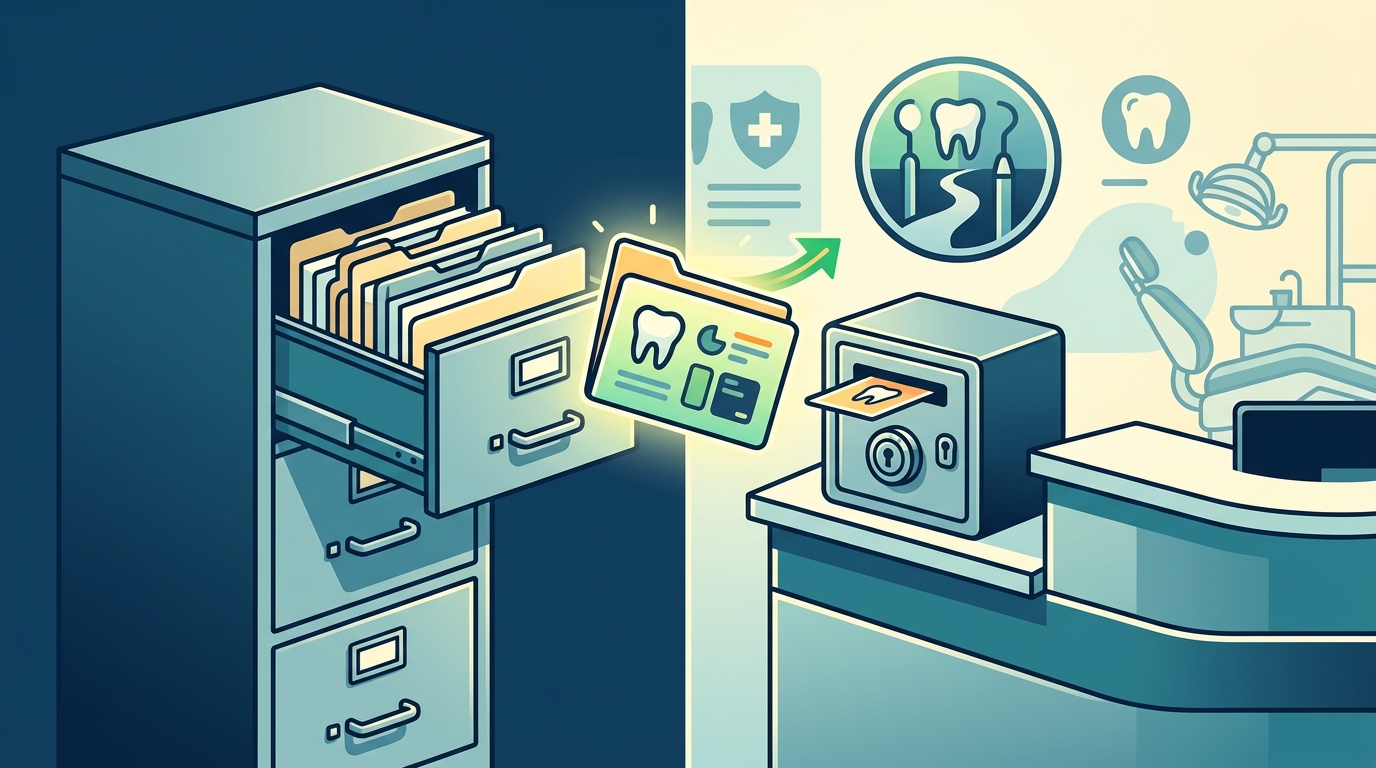
Transferring dental records is a critical step when switching providers, yet many patients delay the process due to confusion about privacy laws and administrative requirements. In Alberta, dental records are considered protected health information under the Health Information Act, meaning they cannot be released without your explicit consent. According to the College of Dental Surgeons of Alberta, maintaining accurate and accessible patient records is a mandatory professional obligation for all licensed practitioners. This guide provides a clear, step-by-step workflow to ensure your medical history moves securely to your new provider, such as Pathways Dental Clinic, which accepts all major insurance plans in Calgary.
Understanding Your Legal Rights to Records
Before contacting your previous dentist, it is essential to understand that you own the information in your file, even if the physical or digital file belongs to the clinic. Under Alberta law, patients have the right to access their personal health information. However, the clinic retains the right to charge a reasonable fee for the preparation and delivery of these records. This legal framework ensures that patient data is portable while protecting the administrative resources of the healthcare provider.
When you choose a new provider like Pathways Dental Clinic, they can often facilitate this transfer on your behalf. Our team is experienced in coordinating with other Calgary clinics to ensure a seamless handover of your medical history. This is particularly important for patients with complex histories, such as those requiring dental implants or ongoing cosmetic dentistry treatments.
Preparing Your Authorization Request
The first concrete step is to submit a formal request to your current or previous dental provider. This request must be in writing and include specific details to prevent delays. Vague requests are often rejected or delayed due to privacy verification protocols. You should include the following elements in your written authorization:
- Your Full Legal Name: Ensure this matches the name on your previous dental file exactly.
- Date of Birth: This is a primary identifier used in medical databases.
- Last Known Address: Helps verify your identity against old patient files.
- Specific Date Range: Specify the years of treatment you need transferred. For example, "All records from 2018 to present."
- Recipient Details: Clearly state the name and address of the new clinic, such as Pathways Dental Clinic at Bay 22, 3220 5 Avenue NE.
It is highly recommended to sign a new patient consent form at your new clinic, which authorizes them to receive the records directly. This dual-authorization approach minimizes the risk of data being sent to the wrong party or held up in administrative limbo.
Digital Records vs. Physical Copies
Modern dental practices increasingly utilize digital radiography and electronic health records (EHR). The format of your records significantly impacts the speed and cost of the transfer. Digital records can often be transferred via secure email or encrypted file transfer protocols, which is faster and more environmentally friendly than physical mail.
However, some older clinics may still maintain physical files for patients seen decades ago. In these cases, you may receive scanned PDFs of X-rays and written summaries. It is crucial to specify that you prefer digital copies if possible, as they are easier for your new dentist to integrate into their clinical workflow. Pathways Dental Clinic utilizes advanced general dentistry technology that seamlessly integrates incoming digital records for immediate treatment planning.
Understanding Potential Costs
While you have the right to access your records, the previous clinic is permitted to charge a fee for this service. This fee covers the administrative time required to locate, compile, and securely transmit the documents. In Alberta, these fees are regulated to prevent excessive charging. Typically, the cost ranges from $25 to $75, depending on the volume of records and the format requested.
Some clinics may waive this fee if you are a current patient or if the records are transferred directly between providers for continuity of care. When you contact your previous dentist, ask if they offer a waiver for direct provider-to-provider transfers. If you are switching to Pathways Dental Clinic, we can often help negotiate this waiver as part of our new patient onboarding process.
What Specific Documents to Request
To ensure your new dentist has a complete picture of your oral health, you should request a comprehensive set of documents. A simple summary is often insufficient for complex treatments. The following items are critical for continuity of care:
| Document Type | Purpose | Importance Level |
|---|---|---|
| Radiographs (X-Rays) | Visualizes bone structure, decay, and root health. | Critical |
| Treatment History | Details past procedures, materials used, and outcomes. | High |
| Medical History | Lists medications, allergies, and systemic conditions. | High |
| Periodontal Charting | Maps gum health and bone levels around each tooth. | Medium |
| Consent Forms | Legal documentation of previous treatment agreements. | Low |
For patients undergoing orthodontics or sedation dentistry, the medical history and previous radiographs are particularly vital. They allow Dr. Tony Kim, Dr. Derek Bouma, and Dr. Adam Lei to assess risks and plan treatments safely without repeating unnecessary radiation exposure.
Frequently Asked Questions
How long does it take to transfer dental records?
Typically, the process takes between 5 to 10 business days. This timeframe allows the previous clinic to locate the files, prepare the documents, and securely transmit them. Digital transfers are often faster, while physical file retrieval may take longer.
Do I have to pay for my dental records?
Yes, most clinics charge a reasonable administrative fee for copying and transmitting records. However, some may waive this fee if the records are sent directly to a new provider for ongoing care. It is worth asking about waivers when you submit your request.
Can I get my records directly, or must they go to the new dentist?
You can request to receive your records directly, but it is often more secure and efficient to have them sent directly to your new provider. This ensures the data is received in a usable format and maintains the chain of custody for privacy compliance.
What if my old dentist is no longer in practice?
If your previous clinic has closed, the dental records are typically transferred to another practicing dentist or held by the provincial regulatory body. You can contact the College of Dental Surgeons of Alberta for guidance on locating archived records.
Do I need to bring my old records to my first appointment?
While you can bring them yourself, it is not required. If you have authorized the transfer, your new dentist will receive them directly. However, if you have recent X-rays or photos, bringing them can speed up the initial assessment.
Are dental records confidential?
Yes, dental records are strictly confidential and protected under Alberta's Health Information Act. They can only be released with your written consent or in specific legal circumstances defined by law.
How do I authorize the transfer?
You can authorize the transfer by signing a release form provided by your new clinic or by submitting a written request to your previous dentist. Ensure you specify the recipient clinic clearly in your authorization.
Start Your New Chapter in Oral Health
Transferring your dental records is the foundation of a successful relationship with a new provider. At Pathways Dental Clinic, we prioritize transparency and ease during this process. Our team is dedicated to providing affordable, high-quality care in NE Calgary, accepting all major insurance plans. We bill at the latest dental fee guide and offer competitive pricing for many procedures. To begin your journey with us, book your $1 new patient exam today and let us help you achieve optimal oral health with minimal administrative hassle.